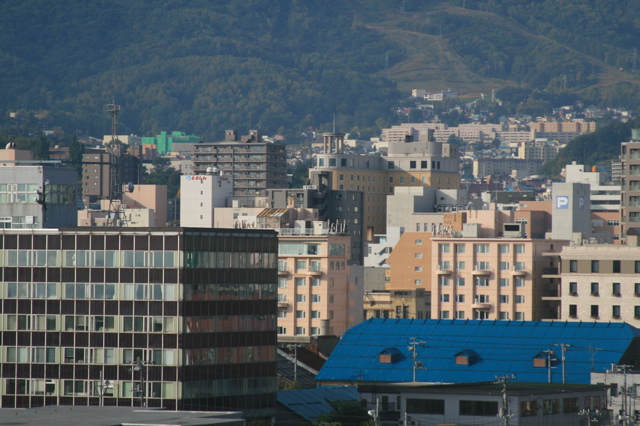
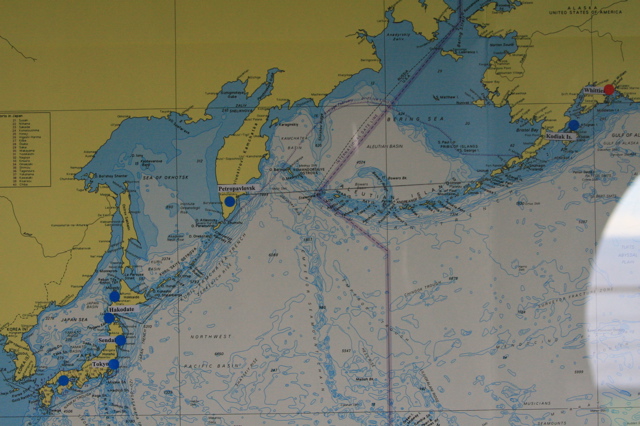
Today’s port of call was Hakodate at the southwestern tip of Hokkaido island. This was a major fishing and trade port during the Meiji-era and is still a bustling, important city for Japan. In fact, it’s home to the north end of the Seikkan Tunnel where trains pass to and from the main islands. It’s too far for daily commuter train traffic to Tokyo, but it’s still the major transportation method the Japanese now use to get around.
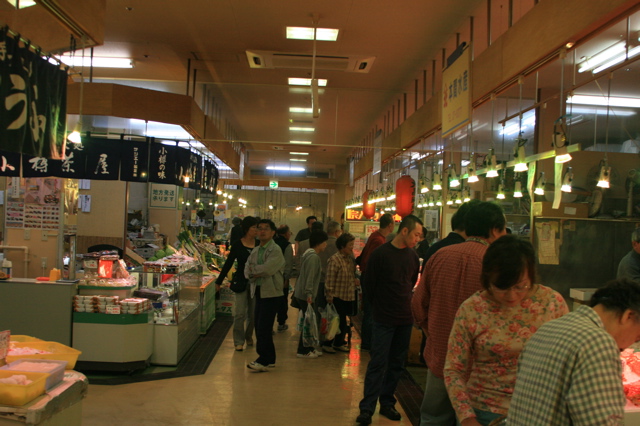
The weather today was sunny and warm; perfect for exploring the area. After talking with some locals and visiting the outdoor morning market and Hakodate History Plaza, the city quickly became one of our favorite ports on this itinerary. We really had a great time here, mainly because the people are so nice and friendly!
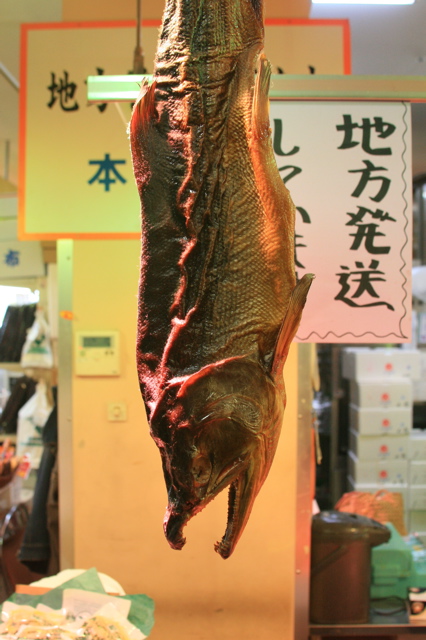
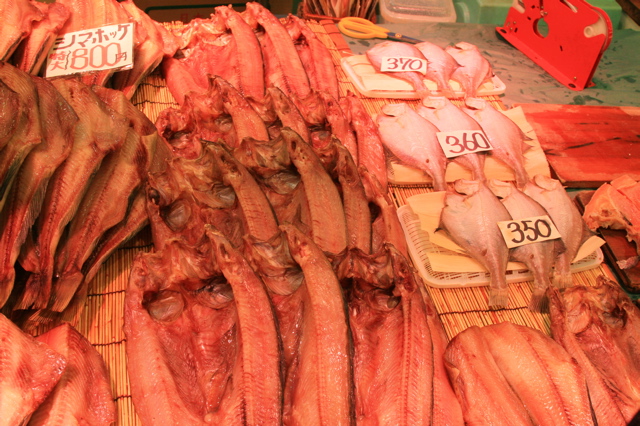
 Once again we decided to tour independently and took Regent’s complimentary shuttle bus to the center of town. From there we walked to the morning market where we watched families fishing for large squid in a tank. When a squid was caught, it was handed off to a knife-wielding woman who cleaned the squid, sliced it up and put it on a plate. The families then sat at picnic tables and ate the squid while it was still flopping around. I was not courageous enough to try any of the squid myself!
 Fishing for morning squid.
 Got 'em!
 Breakfast is served.
 Another local delicacy is sea urchin. You cut them open and scoop out the innards. Again, I was not nearly brave enough to sample this gourmet treat, although we did run into Phil Butterworth, the Mariner’s Travel Concierge and he was enjoying a sea urchin snack. He said it’s definitely an acquired taste.
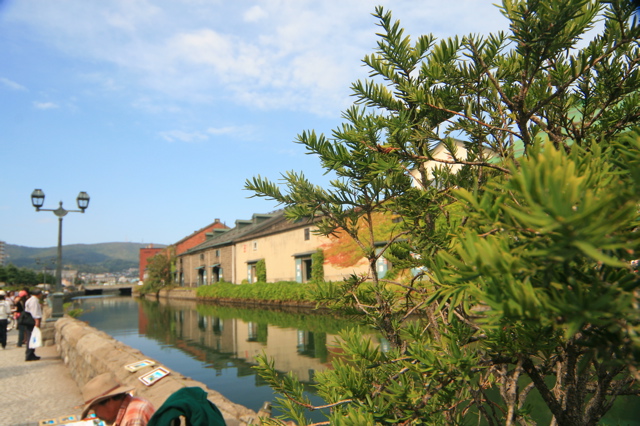
 We then walked to the Hakodate History Plaza and Kanemori Red Brick Warehouse district. This is an area of old warehouses by the waterfront that have now been modernized and turned into a lovely shopping district. We bought some beautiful handmade wooden toys here and then had the best meal of our trip (soup, crab rolls, a braised venison dish, a curry dish and seaweed ice cream).
We then walked for a bit near Hakodate-yama (Mount Hakodate). (Time prevented us from going up in the cable car, but it looked like you’d have a great view from the top.)
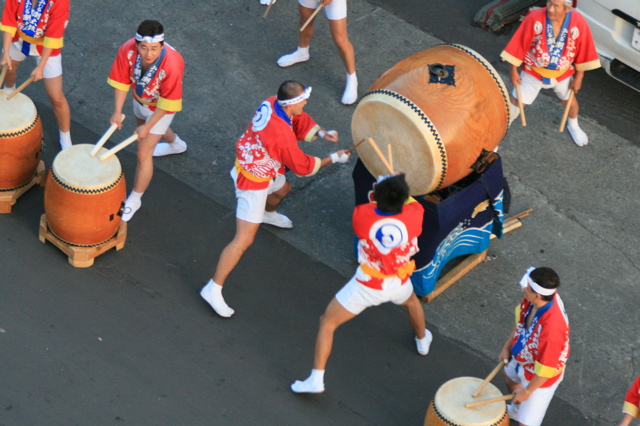
When we returned to the Mariner, we decided to sit on our balcony and have a few drinks. Our room overlooked the pier. While it was a very industrial area, there was a carnival of some sort going on in a nearby field and we were people watching with our binoculars.
As departure time approached, we settled back in our room to watch a DVD before dinner. As we curled up on the sofa, I thought I heard The Eagles. Yes, we definitely heard The Eagles’ “Hotel California” and it was getting louder and louder. What the…? We opened the sliding glass doors to our balcony and saw a crowd of Japanese families gathered on the dock. The local chamber of commerce had turned out to see the Mariner off and part of the entertainment included the playing of this particular Eagles song. For some reason, we found this so incredibly endearing!
When “Hotel California” ended, an MC took the mic and described a special song and dance the locals would perform for us. It turned out to be the official song of Hakodate. It was quite catchy and a troupe of dancers got everyone on the Mariner tapping their toes! The song was repeated several times and by the second go-round, all of us were dancing out on our balconies and waving to the crowd. It was wonderful seeing little children, their parents and grandparents all doing the Hakodate dance! Finally, the Mariner’s horn bellowed and we gently pulled away from the dock as the townspeople continued to sing and dance. What a special memory! We love you, Hakodate!
Photos by Leonard Hospidor